


By Yawar Abbas
ISLAMABAD (Feb 17): Chinese New Year- 2026 is not just a celebration, but a reminder of cultural heritage, family bonds, and the universal hope for a prosperous future. Celebrated by millions across the world, the festival marks the beginning of the lunar calendar and reflects centuries-old traditions rooted in unity, renewal, and optimism.
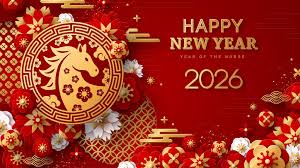
This year, beginning on February 17, 2026, welcomes the Year of the Horse, a symbol of strength, determination, and progress in Chinese culture.
Historical Background and Origin
Chinese New Year, also known as the Spring Festival, has a rich history spanning over 4,000 years. It originated in ancient agrarian society when farmers celebrated the end of winter and prayed for a successful harvest in the coming spring. Over time, the festival evolved into a deeply cultural and spiritual occasion, combining religious rituals, family gatherings, and symbolic customs. The festival follows the lunar calendar, which is based on the cycles of the moon, causing the date to vary each year between late January and mid-February.
The Chinese Zodiac and the Year of the Horse
The Chinese zodiac consists of twelve animals, each representing a year in a repeating cycle: Rat, Ox, Tiger, Rabbit, Dragon, Snake, Horse, Goat, Monkey, Rooster, Dog, and Pig. The Year of the Horse is the seventh in this cycle and holds special significance. In Chinese history, horses were essential for transportation, communication, agriculture, and warfare. They symbolized power, speed, loyalty, and endurance. People born in the Year of the Horse are believed to be energetic, intelligent, confident, and independent, possessing natural leadership qualities. The year itself is often associated with movement, ambition, and positive transformation.
Preparations and Festive Decorations
Preparations for Chinese New Year begin weeks before the actual day. Families thoroughly clean their homes to remove bad luck and create space for good fortune. This tradition symbolizes a fresh start and spiritual renewal. Decorations play a central role in creating the festive atmosphere. Red lanterns, spring couplets written on red paper, paper cuttings, and images of the zodiac animal are displayed in homes, markets, and streets. Red represents happiness, protection, and good luck, while gold symbolizes prosperity and wealth. These decorations reflect hope for success and happiness in the coming year.
Importance of Family Reunions
Family unity is the foundation of Chinese New Year celebrations. The festival brings families together regardless of distance, resulting in one of the largest annual human migrations in the world. Millions travel long distances to reunite with parents, grandparents, and relatives. These reunions strengthen family bonds and reinforce cultural values such as respect for elders and togetherness.
The New Year’s Eve Reunion Dinner
The reunion dinner held on New Year’s Eve is the most important event of the celebration. Families gather to share traditional dishes, each carrying symbolic meaning. Dumplings resemble ancient gold ingots and represent wealth and prosperity. Fish symbolizes abundance and surplus, as the Chinese word for fish sounds like the word for surplus. Rice cakes symbolize growth and progress, while spring rolls represent wealth and success. This meal is not only about food but also about expressing gratitude, unity, and hope for the future.
Traditions and Cultural Customs
Chinese New Year celebrations continue for fifteen days, filled with customs and rituals. One of the most popular traditions is the giving of red envelopes, known as hongbao, which contain money and are given by elders to children and unmarried individuals as a symbol of blessings and good fortune. Fireworks and firecrackers are another important tradition, believed to drive away evil spirits and welcome happiness. Lion and dragon dances are performed in public places, symbolizing strength, protection, and prosperity. These performances create excitement and bring communities together.
The Lantern Festival: Grand Conclusion
The celebrations conclude with the Lantern Festival on the fifteenth day. Streets and homes are illuminated with colorful lanterns of various shapes and sizes. Families gather to admire the lantern displays, solve riddles written on them, and enjoy traditional foods such as sweet rice dumplings, which symbolize unity and completeness. The Lantern Festival represents harmony, closure, and the successful beginning of the new year.
Global Celebrations and Cultural Influence
Chinese New Year is not only celebrated in China but also across the world, especially in countries with significant Chinese communities such as Singapore, Malaysia, Indonesia, Thailand, the United States, the United Kingdom, Canada, and Australia. Major cities organize parades, cultural festivals, and fireworks displays. These global celebrations reflect the widespread influence of Chinese culture and the universal appeal of the festival’s message of hope, prosperity, and renewal.
Modern-Day Significance and Economic Impact
In modern times, Chinese New Year has both cultural and economic importance. Businesses close temporarily to allow people to celebrate with their families, while travel, shopping, and entertainment activities increase significantly. The festival contributes greatly to economic activity, particularly in transportation, retail, and tourism sectors. Despite modernization, the core values of family unity, tradition, and cultural identity remain unchanged.
Spirit and Message of the Year of the Horse
The Year of the Horse represents energy, determination, freedom, and forward movement. It encourages individuals to pursue their goals with confidence and resilience. Symbolizing strength and ambition, the horse inspires people to overcome challenges and embrace new opportunities. As Chinese New Year 2026 begins, it brings renewed hope, motivation, and the promise of prosperity for individuals, families, and communities around the world.
A Timeless Cultural Legacy
Chinese New Year is more than a festival; it is a timeless tradition that preserves cultural heritage and strengthens human connections. The Year of the Horse symbolizes progress, courage, and optimism. As families reunite and communities celebrate, the festival reminds the world of the importance of unity, tradition, and hope for a brighter and more prosperous future.